VIRGIN ISLANDS CHARTER YACHTS
CALL NOW!     1-800-596-0594
Map of the Virgin Islands
Click on Map for More Info
   
sportfishing

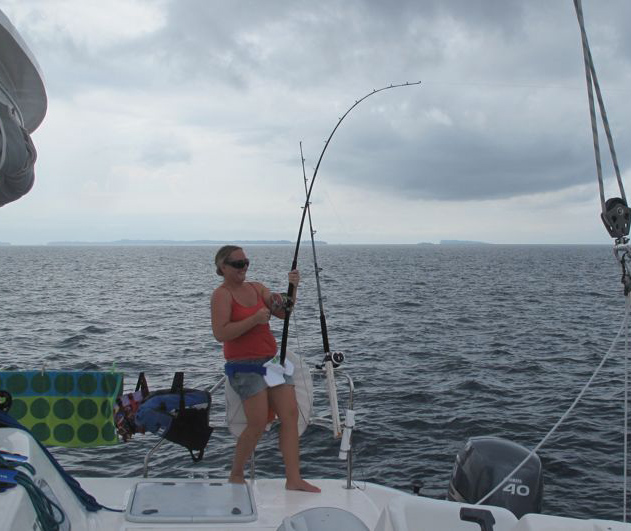
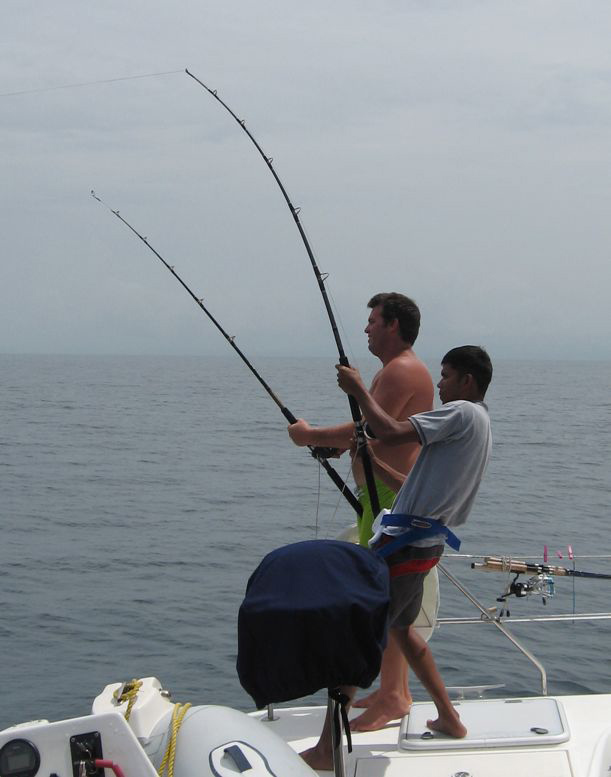
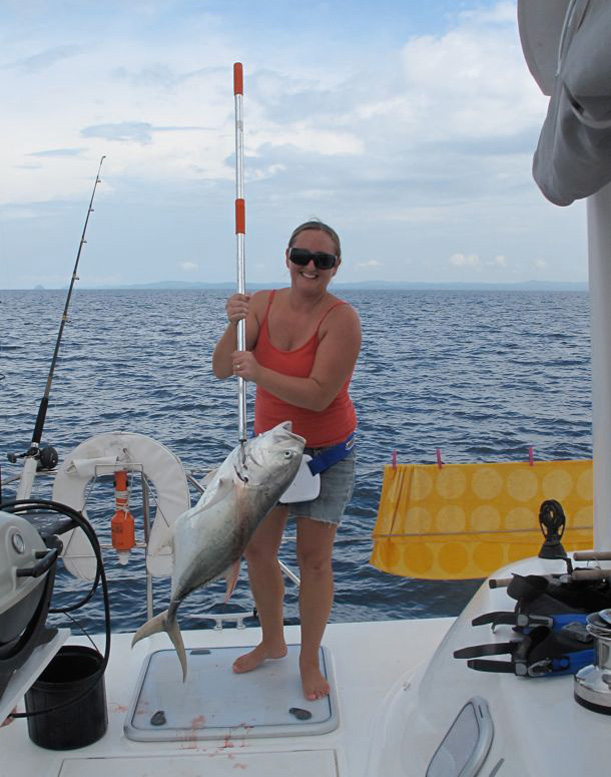
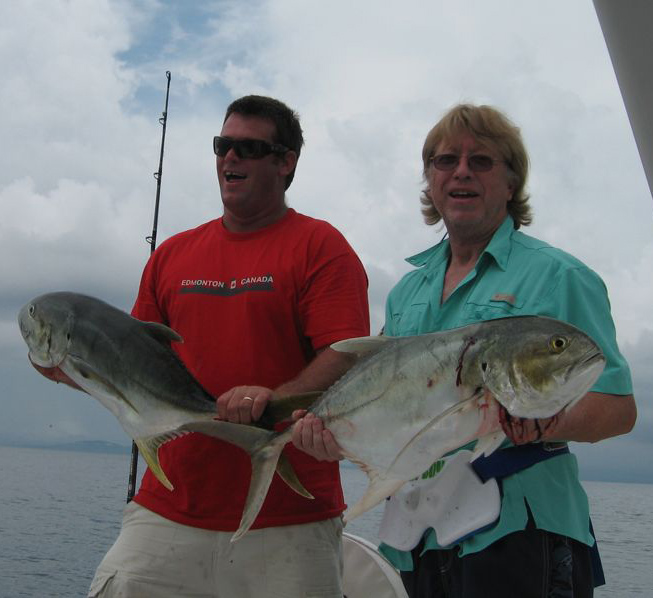
Deep sea and sport fishing have gained popularity by leaps and bounds in the last few years. The United States and British Virgin Islands provide an ideal marine enviroment for many sport fish. Plenty of deep sea areas surround The Virgin Islands archipelago with the deepest exceeding 5 miles in the Puerto Rico Trench just to the North. Below you will find a table showing the fishing seasons and information on some of the popular sport fish here in USVI and BVI.

blue_marlin.jpg

Blue Marlin (Makaira Nigricans)

Description: Cobalt blue on top shading to silvery white on bottom, upper jaw elongated in form of a spear, dorsal fin pointed at front end, pectoral fin and anal fin pointed, lateral line reticulated (interwoven like a net, difficult to see in large specimens), no dark spots on dorsal fin, body covered with imbedded scales ending in one or two sharp points.

Size: The blue marlin is the largest of the Atlantic marlins, common to 11 feet, known to exceed 2,000 pounds.

Range: An offshore, blue-water fish, pelagic, makes trans-Atlantic migrations.

Natural History: Most trophy size blue marlin are females, males normally do not exceed 300 pounds, spawning procedures are unknown, feeds on squid and pelagic fishes including tuna, dolphin (dorado) and mackerel.

dolphin.jpg

Dolphin Fish (Coryphaena hippurus)

Description: Bright greenish blue above, yellow on sides, with capability of flashing purple, chartreuse, and a wide range of other colors, body tapers sharply from head to tail, irregular blue or golden blotches scattered over sides, anterior profile of head on adult males (bull) is nearly vertical, head of females more sloping, the single dark dorsal fin extends from just behind the head to the tail, anal fin margin concave and extending from anus to tail.

Other Common Names: Dorado, Mahi Mahi

Size: Common to 30 pounds, can exceed 50 pounds.

Range: Offshore, in warm waters.

Natural History: A very aerobatic fish, often leaping clear of the water, one of the fastest-growing fish, thought to live no more than 5 years, swimming speed estimated at 50 knots, spawns in warm oceanic currents throughout much of the year, young found in sargassum weed, feeds on flying fish and squid.

wahoo.jpg

Wahoo (Acanthocybium solanderi)

Description: Numerous dark vertical bands on the side extending to below the lateral line, finlets behind the dorsal and anal fins, long snout, about half the length of the head, gill rakers are absent, first segment of the dorsal fin, with more than 20 spines, is about as high in the mid region as it is in front, upper and lower parts of tail are almost straight up and down.

Other Common Names: Ocean barracuda, Tigerfish

Size: Large by standards of most fish families, reported to reach up to six feet and 100 pounds.

Range: Found worldwide in tropical and warm temperate seas. In Western Atlantic waters, they range from New Jersey to Colombia. Migratory, venturing far northward in summer, returning to the tropics with the onset of cold.

Natural History: A large, powerful fish, usually loners, found well offshore even to mid oceanic regions. They are voracious predators, swiftly overtaking prey, of which flying fish and halfbeaks are favorites. Little is known of their reproductive habits.

yellowfin_tuna.jpg

Yellow Fin Tuna (Thunnus albacares)

Description: Fusiform body, more slender than that of bluefin or bigeye. Small eyes and head, longer 2nd dorsal and anal fins than any other tuna (which get longer with age). Liver without striations on ventral surface. Swimbladder present. 26-35 gill rakers on first gill arch. Pectoral fins usually reach beyond the origin of the 2nd dorsal fin but not beyond the end of its base. Dark blue back with yellow lateral band on the upper sides. Lower sides and belly silvery-gray, often with chains of white vertical lines and spots. 2nd dorsal and anal fins yellow. Finlets yellow with a narrow black margin.

Size: Commonly 16 to 67 inches, can grow to 75 inches and 388+ pounds.

Range: A warm-water species, yellowfin is the most tropical species of tuna. Abundant in tropical waters throughout Atlantic. Young are known to form large schools near surface. Adults inhabit fairly deep water but also live near the surface. Often mixed with other species, especially skipjack and bigeye.

Natural History: Yellowfin are sexually mature when they reach a length of approximately 40 inches, and spawning occurs throughout the year in the core areas of distribution (between 15' N and 15' S Latitude), including the Gulf of Mexico with peaks occurring in summer months.

TABLE OF FISHING SEASONS

January - June

 
JAN
FEB
MAR
APR
MAY
JUN
Marlin
2
2
3
3
4
4
Dolphin Fish
3
3
3
3
2
2
Wahoo
4
4
4
4
4
3
YellowFin
2
2
2
2
2
2

July - December

 
JAN
FEB
MAR
APR
MAY
JUN
Marlin
4
3
3
3
2
2
Dolphin Fish
2
2
3
4
4
4
Wahoo
2
1
1
2
3
4
YellowFin
2
2
2
2
2
2

KEY
1 2 3 4
Poor Fair Good Excellent